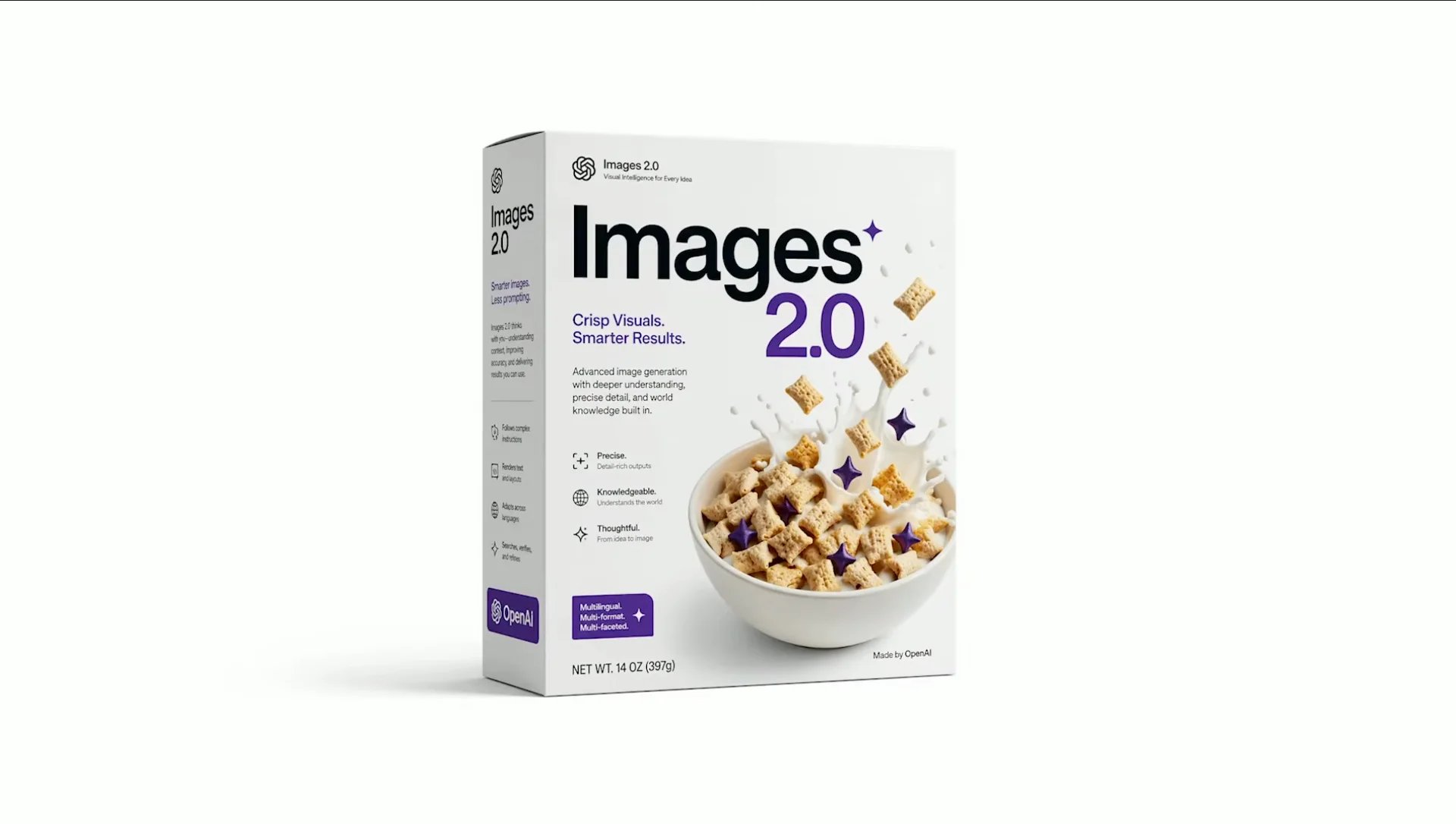
OpenAI has announced ChatGPT Images 2.0 as a new image generator in ChatGPT, with improvements in areas including text rendering, multilingual support, and more advanced image editing. Earlier, OpenAI also released 4o image generation as the standard image generator in ChatGPT.
That is interesting. Not because everything suddenly changes, but because you can now work with images much more precisely within ChatGPT itself than before.
What you can now do in ChatGPT
With ChatGPT Image 2.0, you can in ChatGPT:
generate an image from a precise prompt
use an existing image as visual input or reference
control style, composition, and details much more precisely than before
adjust images with targeted instructions, instead of starting over completely
For us, that last point is especially important:
you can now work much more clearly with a reference image plus a tight prompt structure.
So not just: “make a beautiful fashion image,”
but really:
use this face
preserve identity
change only the scene, lighting, clothing, or framing
Where it becomes interesting for us
Within our way of working, everything revolves around the same order:
identity first, then aesthetics. Never the other way around.
That is why this type of prompt is interesting to us:
_________________________________
IDENTITY LOCK (NON-NEGOTIABLE)

Use the provided reference image as the exact identity source.
Face structure, proportions, eyes, nose, mouth, bone structure and skin characteristics must remain unchanged.

No beautification.
No reinterpretation.
No deviation.
No blending with generic faces.

Hair remains identity-locked and is only affected by physical interaction (light, gravity, movement).
No descriptive override allowed.

---

SCENE / COMPOSITION

[ your existing prompt here ]


_________________________________


You do not use ChatGPT Image 2.0 as a “just make something beautiful” machine, but as a model that must be directed tightly. And that is exactly where it starts to become useful.
What this does not mean
This does not mean that we are suddenly changing our entire workflow.
We will simply continue working with:
Zappa as the prompt machine
DMM as the way to safeguard identity and visual language
Higgsfield with Nano Banana Pro as the environment for continuing production and variation
For us, that simply remains the foundation for now.
So why is it still interesting?
Because ChatGPT Image 2.0 shows that within ChatGPT itself, you can already test much more seriously with:
identity lock
portrait quality
skin, tension, and facial detailing
targeted image construction from language + reference
In other words:
it is an interesting extra layer in the process, but not yet a replacement for our existing stack.
Our conclusion for now
For us, ChatGPT Image 2.0 is currently most interesting as a:
test environment
tool for identity exploration
fast visual validation of prompt structures
an extra step before or alongside our existing workflow
ChatGPT Image 2 (for now)
🧠 quite good at building identity
🎯 understands skin, tension, face → high-fashion level now, it seems....(I will still test this fully)
❌ no memory / consistency engine
See the GPT launch from Tuesday, April 21, 9:00 PM NL time here:
https://www.youtube.com/watch?v=sWkGomJ3TLI
But the core does not change for us here in ZAPPA yet; for the time being, that is the reality. But rest assured that we will test everything in Image 2 and provide updates over the coming week.
More later,
Peter | PB.nl